
St Albans Cathedral, Verulamium Park, Hertfordshire
Guy Fawkes Fireworks Celebration
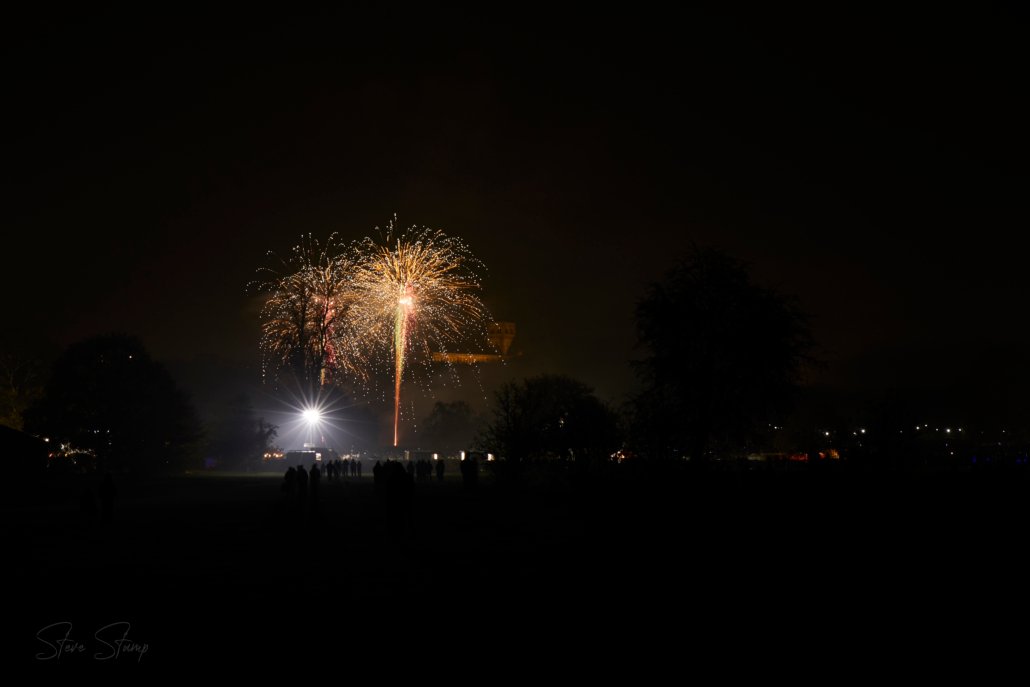
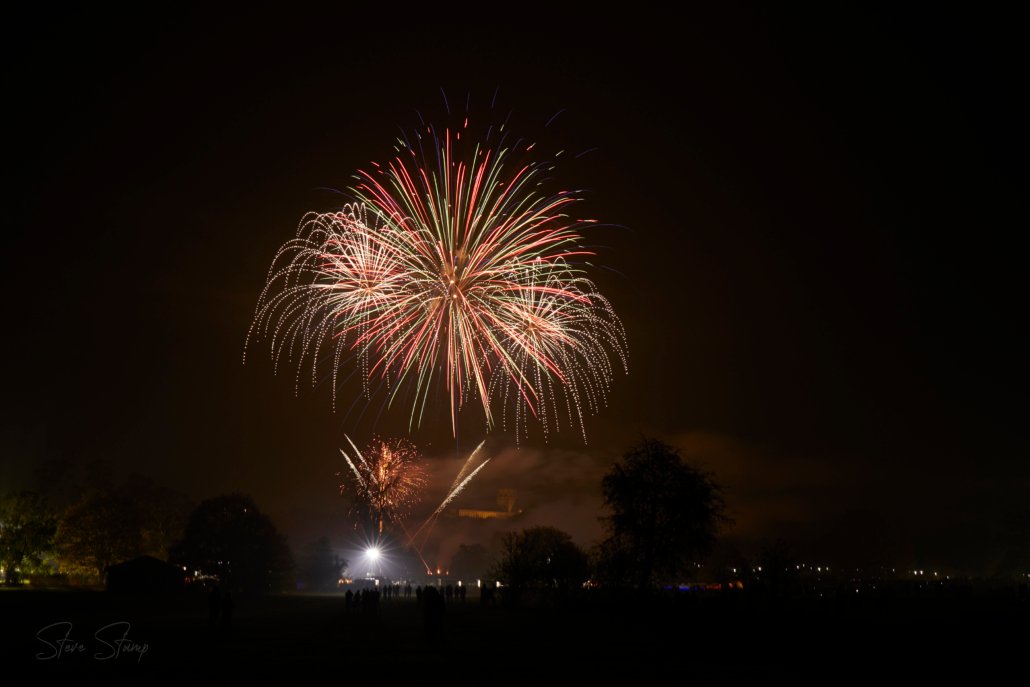
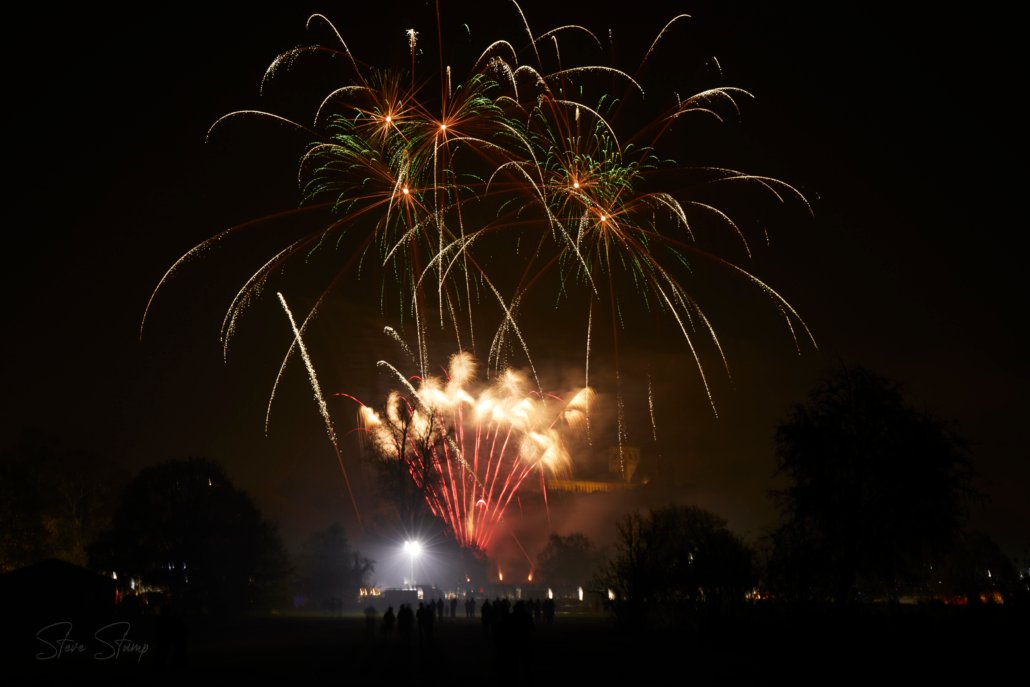
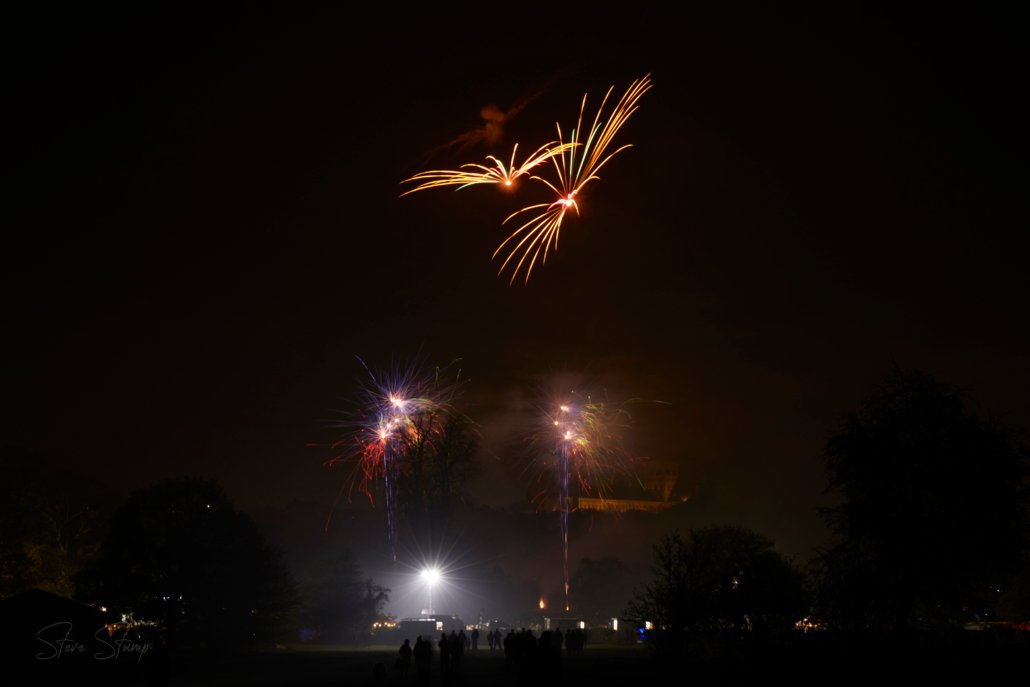
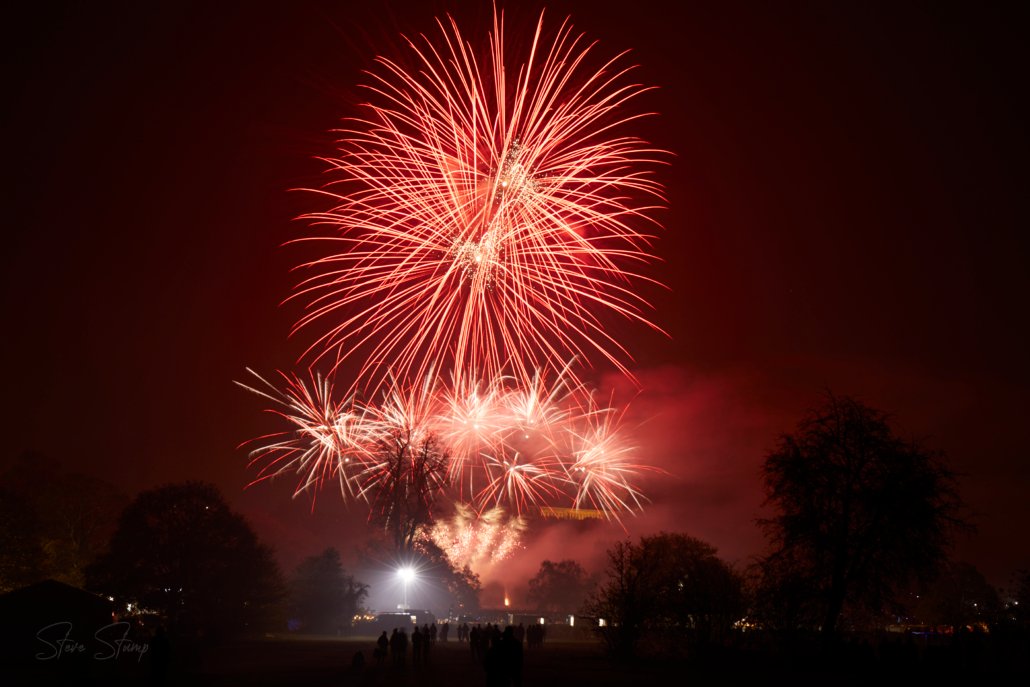
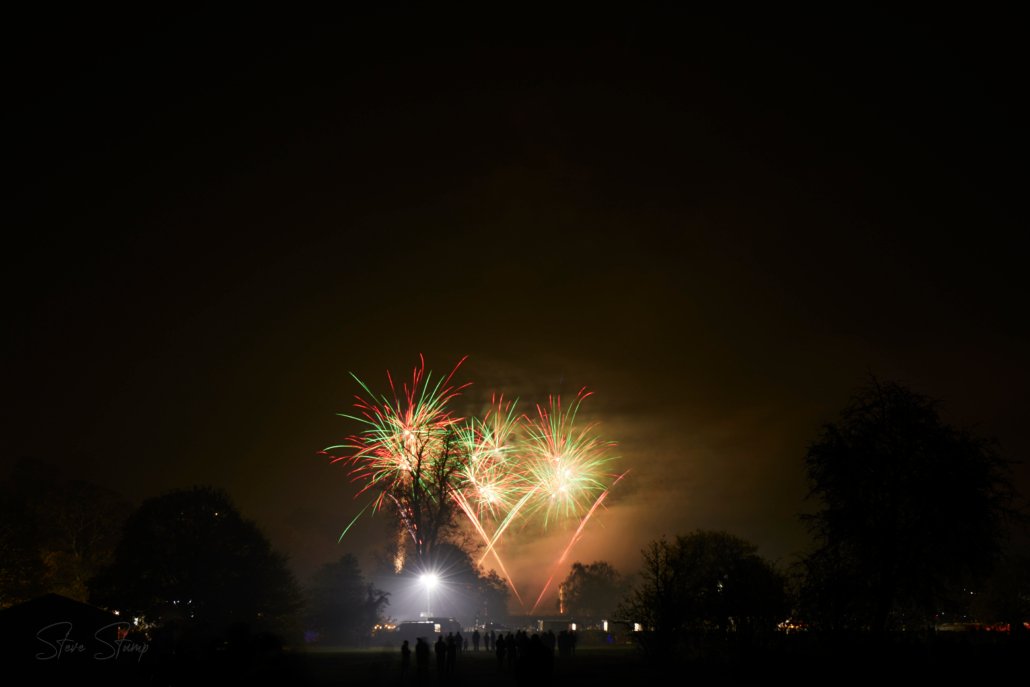
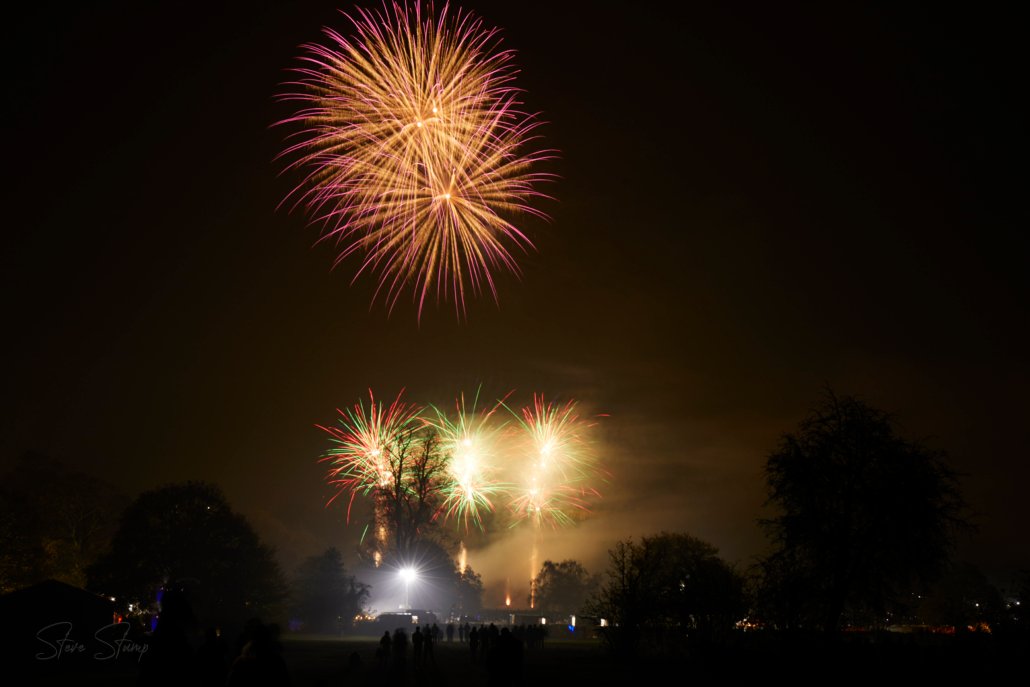
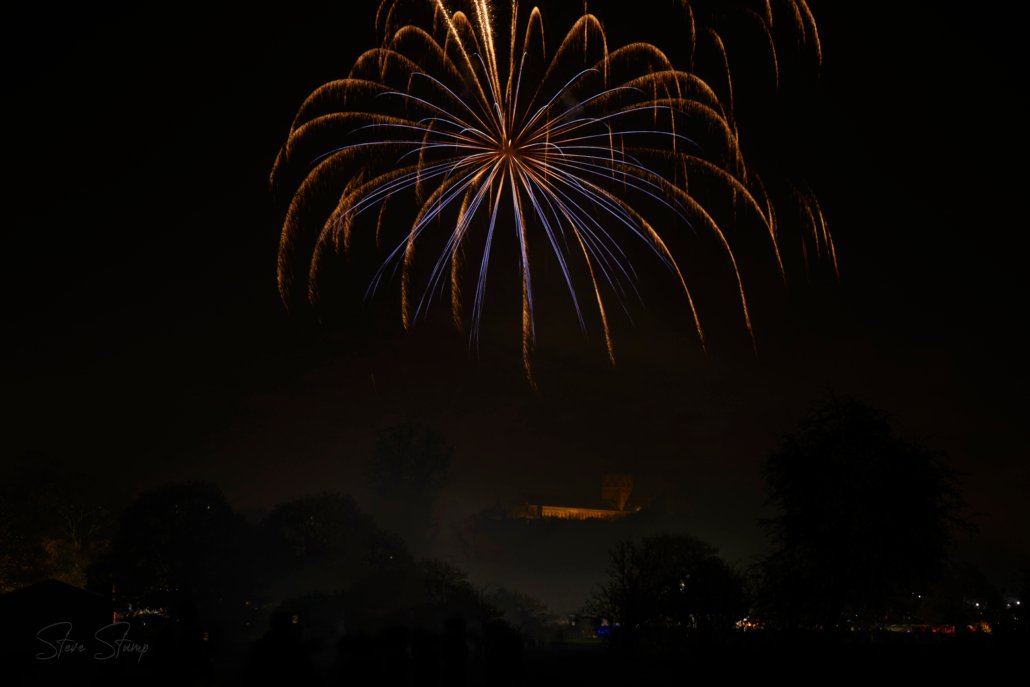
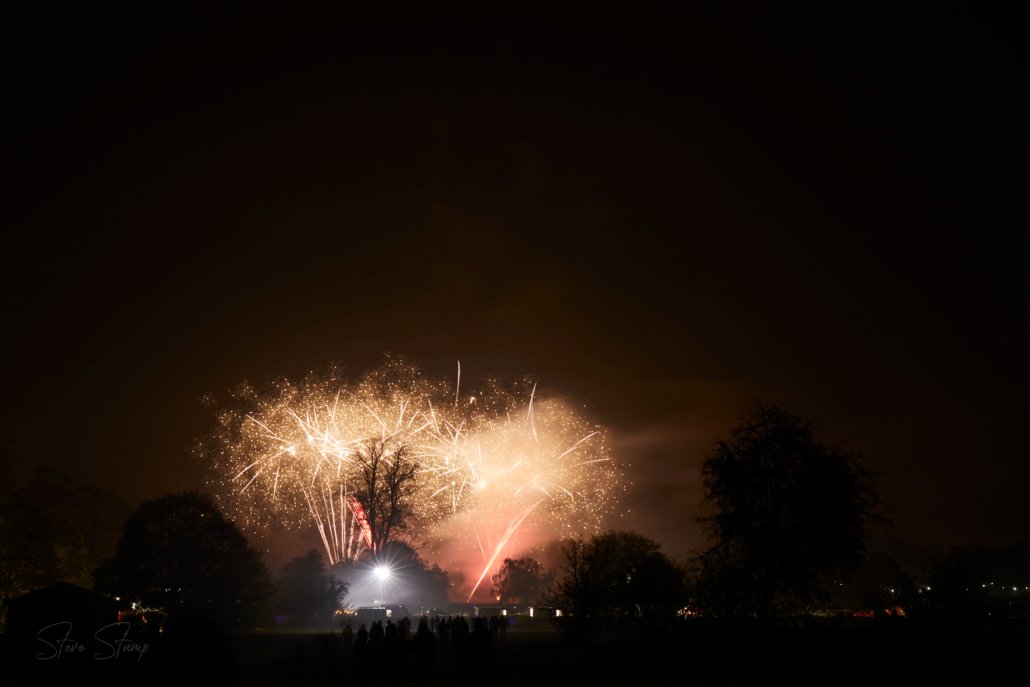
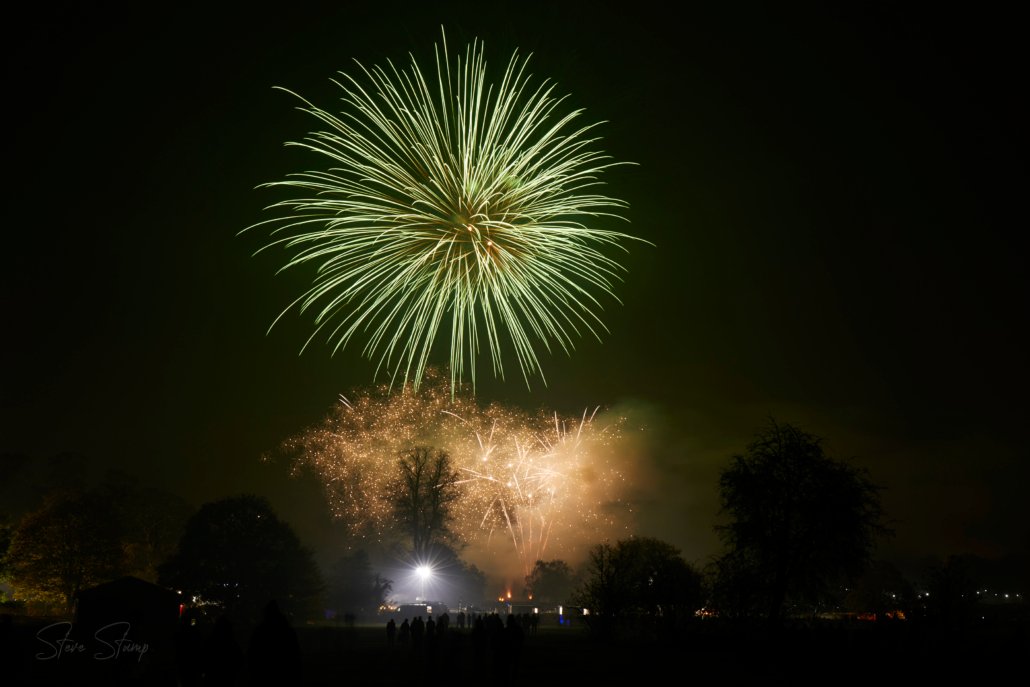
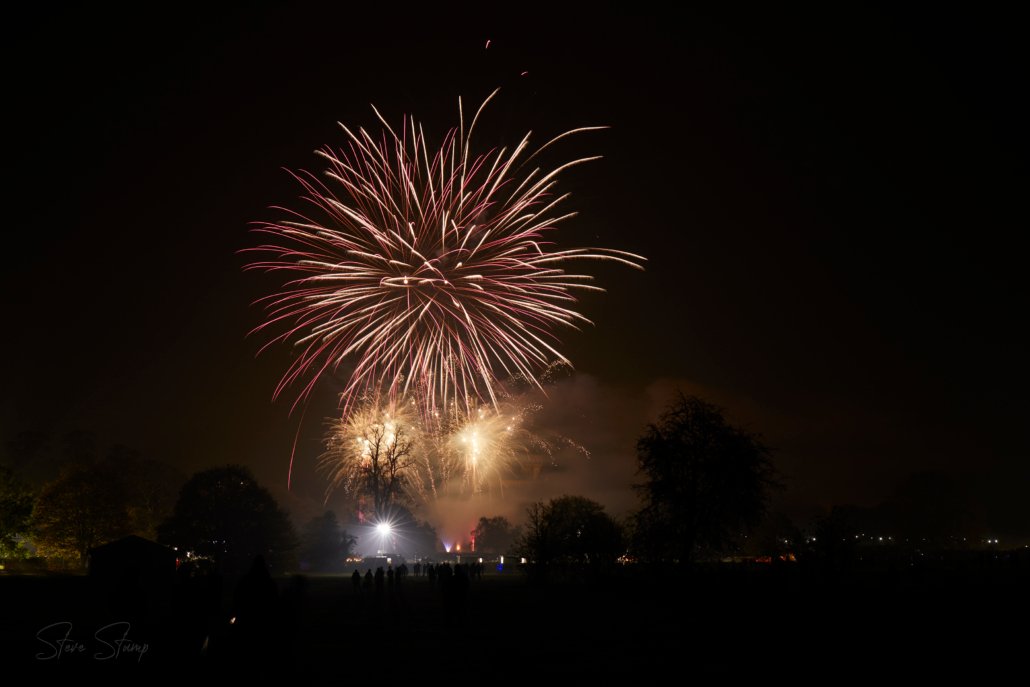
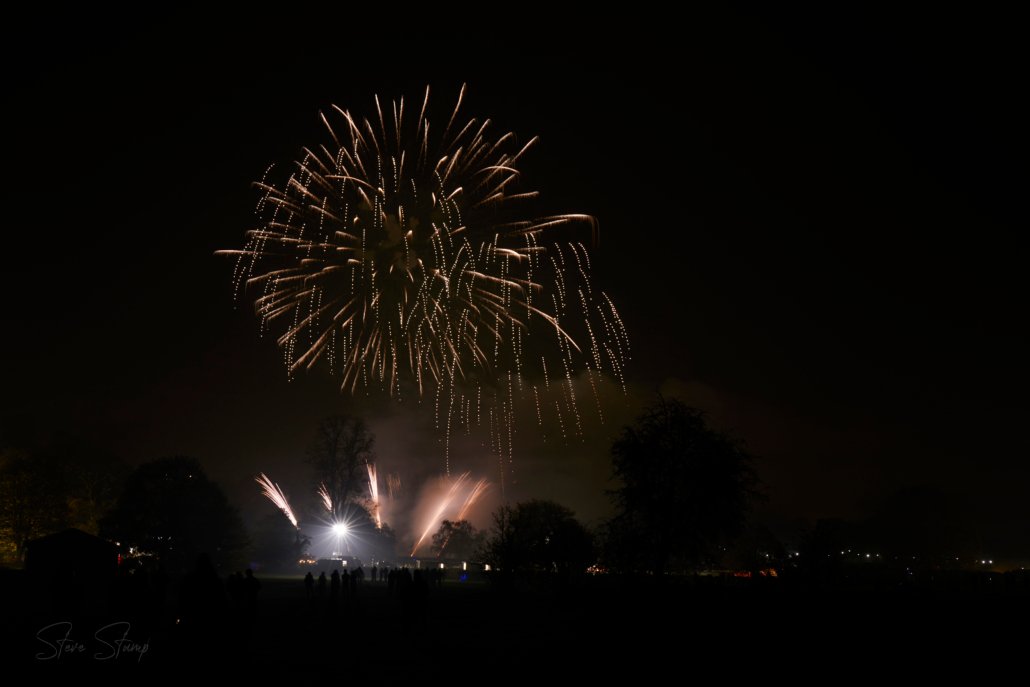
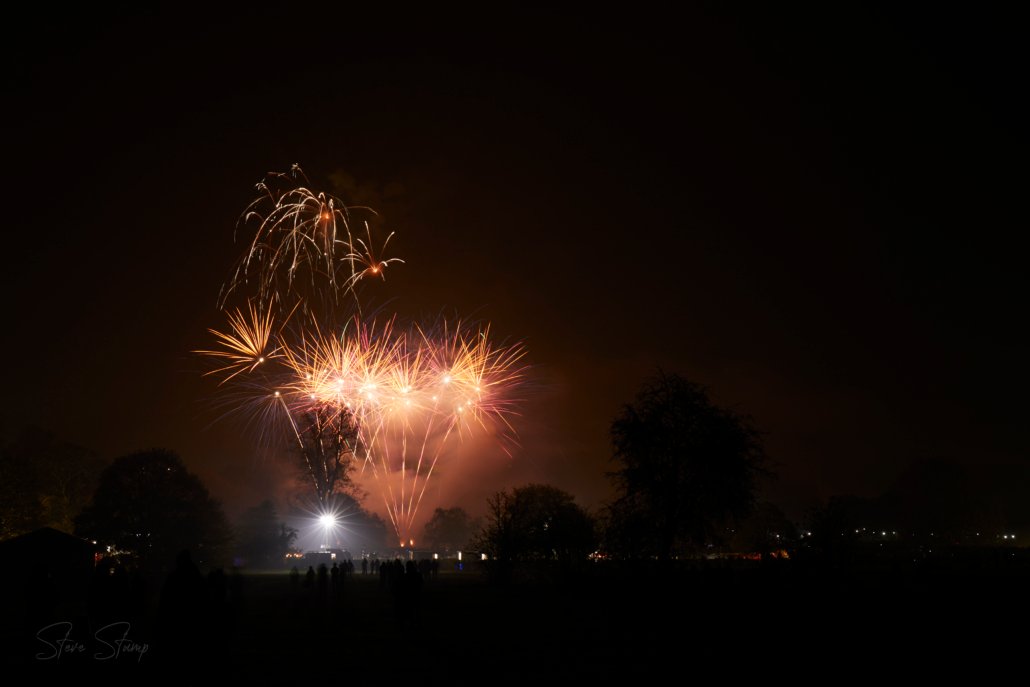
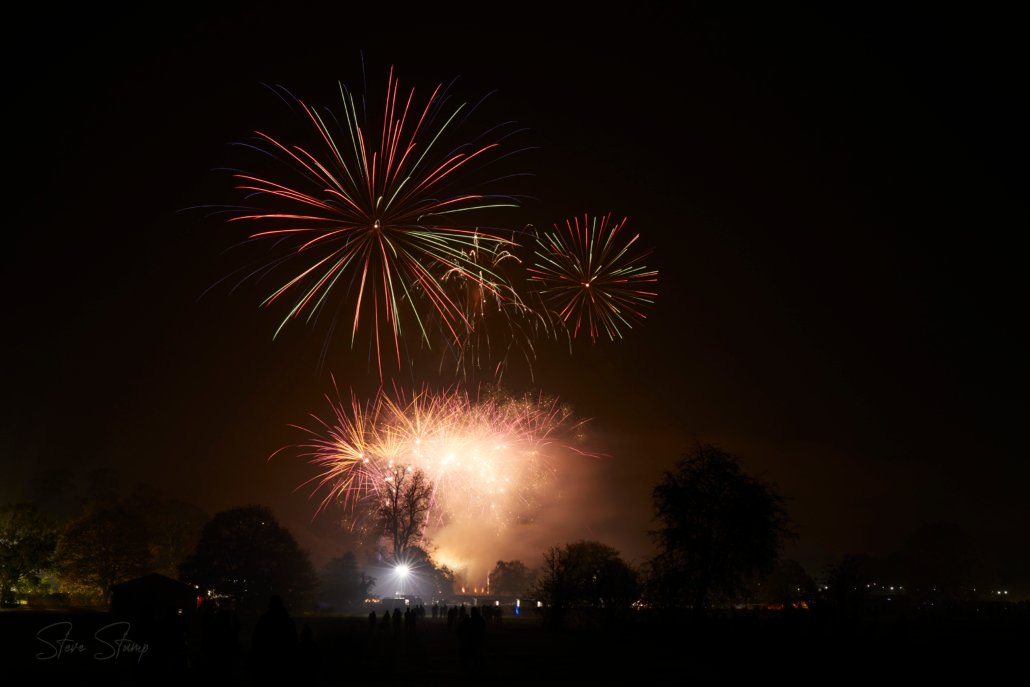
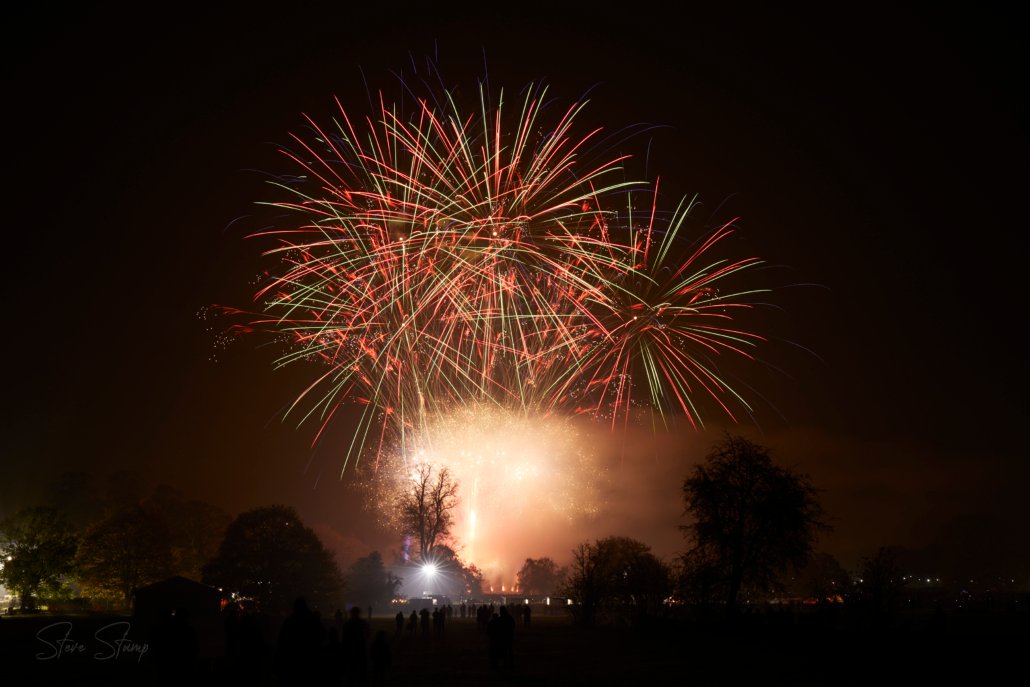
A spectacular show put up on the night of the 7th November 2026 at Verulamium Park, organised by the St Albans Cathedral. It could not have been a better night for the event, the weather played along with little to no wind and thankfully no rain either. On arrival I sought out a vantage point that I thought would work best, not having attended the fireworks display before on previous years I had no idea as to where the display would actually be. Thankfully the choice in the end was not too bad, from my vantage point I setup and waited for the start of the fireworks.
At first I though that there was not much of a turn out… I could see closer to the event there were more people that had arrived to take part in the other events and activities that had been arranged for the event. As time passed, as I was about an hour early for setup, more and more people arrived, and what I though would be a lonely spot off in the distance turned out to be quite festival with both kids and children having fun.
When the main event started with the fireworks display I had an unfortunate failure and on my camera setup to do the video, however I concentrated on taking more photos of the event. It was spectacular and was much bigger than I expected lasting quite a long time.
My only disappointment, was that the planners of the event had erected a number of points where they had flood lights positioned for lighting up the are for the other activities. I thought that these could have been more strategically placed, or turned down or off when the main event actually started. One the whole a great event and I managed to get some great photos of the fireworks display
About Guy Fawkes and the history of the celebration
Guy Fawkes (/fɔːks/; 13 April 1570 – 31 January 1606),[a] also known as Guido Fawkes while fighting for the Spanish, was a member of a group of provincial English Catholics involved in the failed Gunpowder Plot of 1605. He was born and educated in York; his father died when Fawkes was eight years old, after which his mother married a recusant Catholic.
Fawkes converted to Catholicism and left for mainland Europe, where he fought for Catholic Spain in the Eighty Years’ War against Protestant Dutch reformers in the Low Countries. He travelled to Spain to seek support for a Catholic rebellion in England without success. He later met Thomas Wintour, with whom he returned to England. Wintour introduced him to Robert Catesby, who planned to assassinate King James I and restore a Catholic monarch to the throne. The plotters leased an undercroft beneath the House of Lords; Fawkes was placed in charge of the gunpowder that they stockpiled there. The authorities were prompted by an anonymous letter to search Westminster Palace during the early hours of 5 November, and they found Fawkes guarding the explosives. He was questioned and tortured over the next few days and confessed to wanting to blow up the House of Lords.
Fawkes was sentenced to be hanged, drawn and quartered. However, at his execution on 31 January, he died when his neck was broken as he was hanged, with some sources claiming that he deliberately jumped to make this happen; he thus avoided the agony of his sentence. He became synonymous with the Gunpowder Plot, the failure of which has been commemorated in the UK as Guy Fawkes Night since 5 November 1605, when his effigy is traditionally burned on a bonfire, commonly accompanied by fireworks.
Gunpowder Plot
In 1604 Fawkes became involved with a small group of English Catholics, led by Robert Catesby, who planned to assassinate the Protestant King James and replace him with his daughter, third in the line of succession, Princess Elizabeth.[15][16] Fawkes was described by the Jesuit priest and former school friend Oswald Tesimond as “pleasant of approach and cheerful of manner, opposed to quarrels and strife … loyal to his friends”. Tesimond also claimed Fawkes was “a man highly skilled in matters of war”, and that it was this mixture of piety and professionalism that endeared him to his fellow conspirators.[3] The author Antonia Fraser describes Fawkes as “a tall, powerfully built man, with thick reddish-brown hair, a flowing moustache in the tradition of the time, and a bushy reddish-brown beard”, and that he was “a man of action … capable of intelligent argument as well as physical endurance, somewhat to the surprise of his enemies.”
The first meeting of the five central conspirators took place on Sunday 20 May 1604, at an inn called the Duck and Drake, in the fashionable Strand district of London.[f] Catesby had already proposed at an earlier meeting with Thomas Wintour and John Wright to kill the king and his government by blowing up “the Parliament House with gunpowder”. Wintour, who at first objected to the plan, was convinced by Catesby to travel to the continent to seek help. Wintour met with the Constable of Castile, the exiled Welsh spy Hugh Owen,[18] and Sir William Stanley, who said that Catesby would receive no support from Spain. Owen did, however, introduce Wintour to Fawkes, who had by then been away from England for many years, and thus was largely unknown in the country. Wintour and Fawkes were contemporaries; each was militant, and had first-hand experience of the unwillingness of the Spaniards to help. Wintour told Fawkes of their plan to “doe some whatt in Ingland if the pece with Spaine healped us nott”,[3] and thus in April 1604 the two men returned to England.[17] Wintour’s news did not surprise Catesby; despite positive noises from the Spanish authorities, he feared that “the deeds would nott answere”
One of the conspirators, Thomas Percy, was appointed a Gentleman Pensioner in June 1604, gaining access to a house in London that belonged to John Whynniard, Keeper of the King’s Wardrobe. Fawkes was installed as a caretaker and began using the pseudonym John Johnson, servant to Percy.[20] The contemporaneous account of the prosecution (taken from Thomas Wintour’s confession)[21] claimed that the conspirators attempted to dig a tunnel from beneath Whynniard’s house to Parliament, although this story may have been a government fabrication; no evidence for the existence of a tunnel was presented by the prosecution, and no trace of one has ever been found; Fawkes himself did not admit the existence of such a scheme until his fifth interrogation, but even then he could not locate the tunnel.[22] If the story is true, however, by December 1604 the conspirators were busy tunnelling from their rented house to the House of Lords. They ceased their efforts when, during tunnelling, they heard a noise from above. Fawkes was sent out to investigate, and returned with the news that the tenant’s widow was clearing out a nearby undercroft, directly beneath the House of Lords.
The plotters purchased the lease to the room, which also belonged to John Whynniard. Unused and filthy, it was considered an ideal hiding place for the gunpowder the plotters planned to store.[24] According to Fawkes, twenty barrels of gunpowder were brought in at first, followed by sixteen more on 20 July.[25] On 28 July, however, the ever-present threat of the plague delayed the opening of Parliament until Tuesday, 5 November.source – Wikipedia read more here
